Alright, let's talk asphalt patching. You've got cracks, potholes, maybe some alligatoring on your driveway or a private access road. It's an eyesore, and you know it needs fixing before it gets worse. But here's the thing: jumping into a patching project without knowing what you're doing, or hiring the wrong crew, can cost you a lot more than just the initial repair.
I've been doing this for years here in Irvine, and I've seen pretty much every mistake in the book. So, let me lay out some of the most common blunders homeowners make and how you can steer clear of them.
Mistake #1: Thinking All Patches Are Created Equal
This is a big one. You see a crack, you think 'patch it.' Simple, right? Not really. There are different types of damage and different types of patches for a reason. Dumping some cold patch mix from a bag into a pothole might seem like a quick fix, but it's usually just a temporary band-aid. Especially with our intense summer sun and the occasional heavy rains we get here in Orange County, that cold patch will break down faster than you can say 're-do it.'
For a lasting repair, you often need hot mix asphalt, which requires specialized equipment to heat and compact properly. If a contractor suggests only cold patch for significant damage, or doesn't even ask about the type and cause of the damage, that's a red flag. You want someone who assesses the problem and recommends the right solution, not just the easiest one.
Mistake #2: Not Addressing the Root Cause
Patching a pothole without understanding why it formed is like putting a new bandage on a wound that's still bleeding. Often, asphalt damage is a symptom of a deeper issue. It could be poor drainage, a weak sub-base, or even tree roots underneath. Here in Irvine, especially in some of the older neighborhoods with mature trees, root intrusion is a real problem for driveways.
A good contractor, like us at Coastal Paving, won't just fill the hole. We'll look at the surrounding area, check for proper grading, and try to figure out what caused the failure in the first place. If you don't fix the root cause, that patch is just going to fail again, probably in the same spot, and you'll be back to square one.
Mistake #3: Going with the Lowest Bid Without Due Diligence
Everyone wants a good deal, I get it. But when it comes to asphalt work, the cheapest bid is very rarely the best one. I've seen homeowners get burned by contractors who underbid, then cut corners on materials, labor, or proper preparation. They might use less asphalt, skip proper compaction, or not bother with tack coats to ensure the new patch bonds to the old asphalt.
When you're getting quotes, don't just look at the price. Ask questions: What kind of material will they use? How will they prepare the area? What's their warranty? Do they have references? Are they licensed and insured? If a price seems too good to be true, it probably is. You're investing in your property; you want a quality job that lasts, not something you'll have to redo in a year.
Mistake #4: Ignoring Proper Preparation
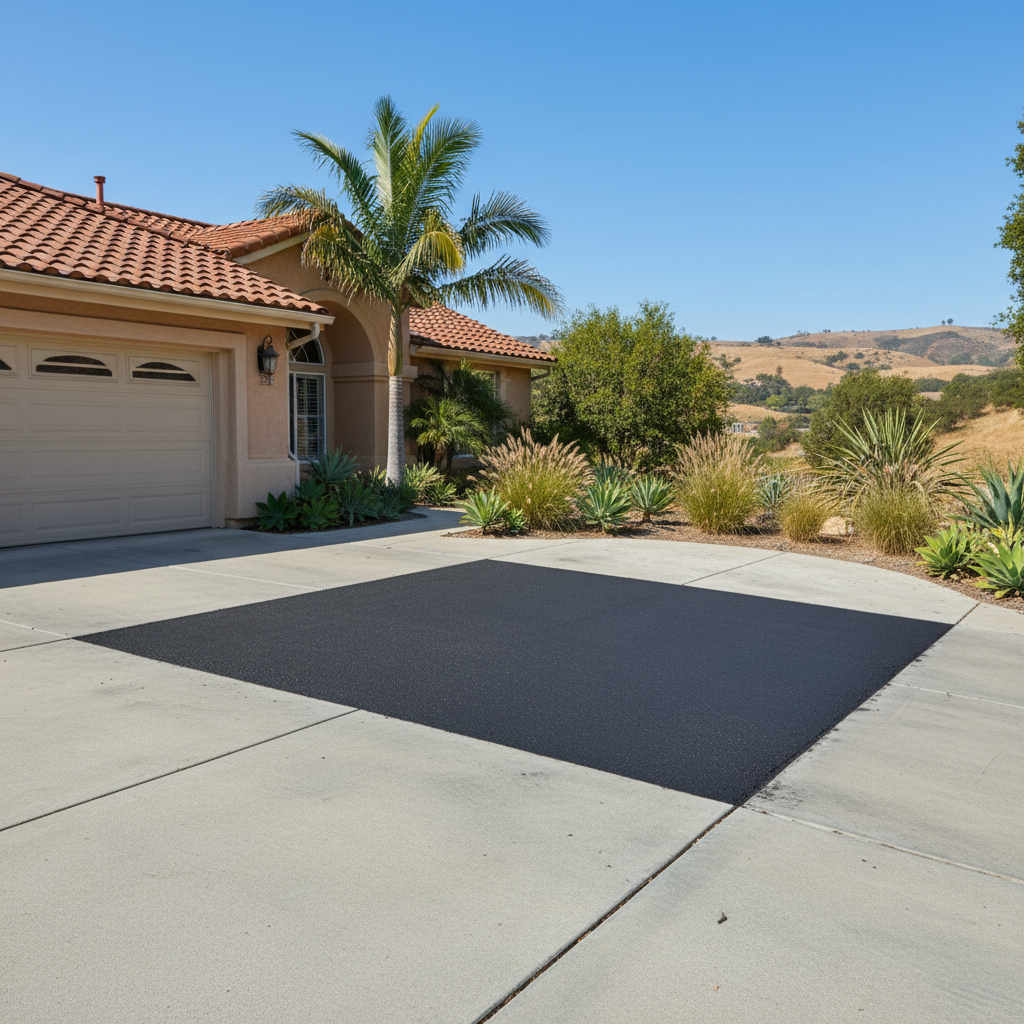
This goes hand-in-hand with cutting corners. Before any patch goes down, the area needs to be properly cleaned, cut out square or rectangular (irregular shapes are harder to compact and seal), and often treated with a tack coat. This tack coat is essentially a sticky asphalt emulsion that helps the new patch adhere to the existing pavement, creating a strong, seamless bond.
If a crew just throws asphalt into a dirty, irregularly shaped hole without proper preparation, that patch isn't going to stick. It'll start to ravel, crack, and eventually pop out. You need to make sure your contractor is planning for proper cleaning, cutting, and applying a tack coat. It's the foundation of a durable patch.
Mistake #5: Not Understanding the Difference Between Patching and Resurfacing
Sometimes, patching just isn't enough. If your entire driveway is riddled with cracks, potholes, and has significant structural issues, individual patches might be a waste of money. You might be better off considering a full resurfacing (overlay) or even a complete remove and replace.
A good contractor will be honest with you about the overall condition of your pavement. They won't just agree to patch every little thing if the underlying structure is failing. It's about giving you the best long-term solution for your investment, even if it means a bigger upfront cost. Think about it: if you're patching 50% of your driveway, maybe it's time to consider doing the whole thing for a uniform, durable surface.
Look, maintaining your asphalt is crucial for curb appeal and safety. Just make sure you're making informed decisions and working with someone who knows their stuff. Ask questions, get multiple quotes, and don't be afraid to dig into the details. Your driveway will thank you for it.