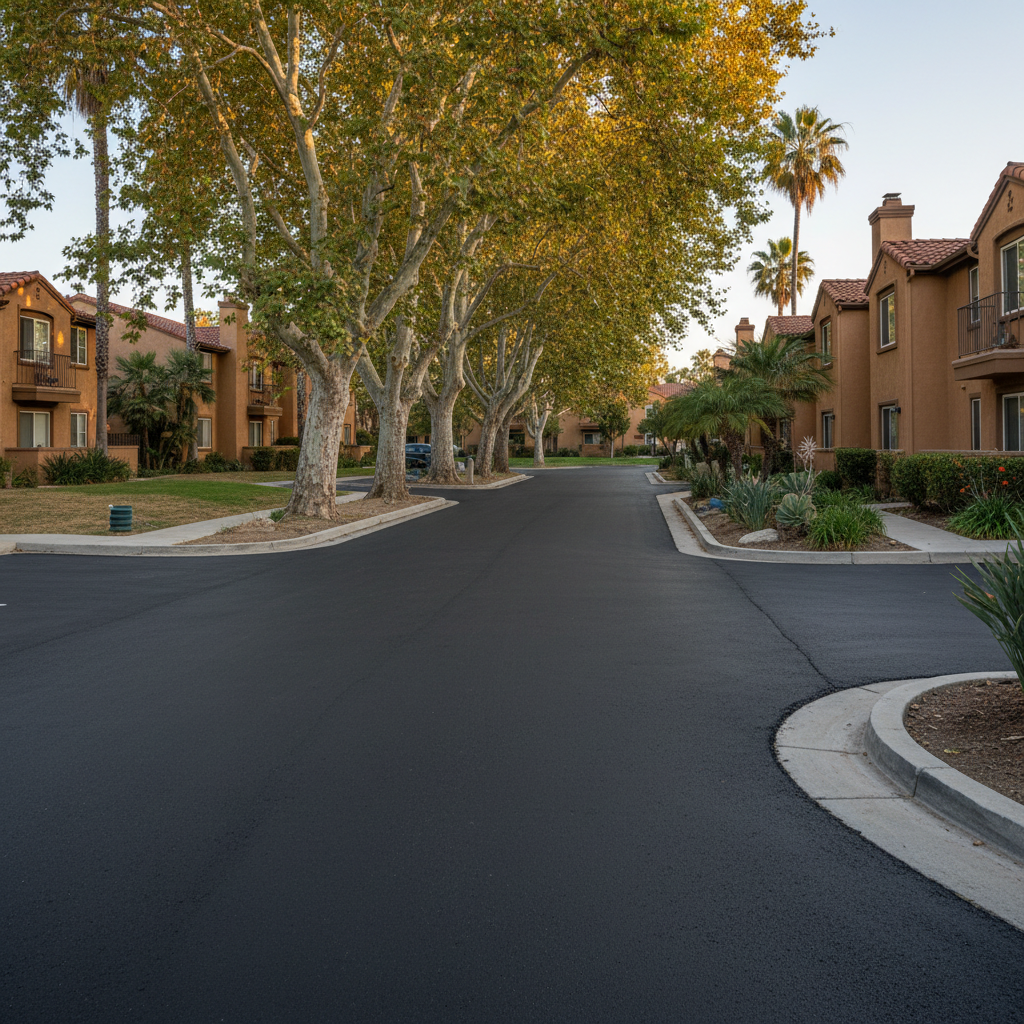
Got commercial asphalt in Irvine? Then you know it's not just about looking good; it's about safety, curb appeal, and protecting a big investment. But here in Southern California, even with our 'perfect' weather, there are specific things you need to know about keeping your parking lot or private road in top shape. It's not the same as, say, Minnesota.
When to Schedule Your Asphalt Work in Irvine
This is probably the most common question I get. Folks often think any sunny day is a good paving day. Not quite. While we don't deal with harsh winters like other parts of the country, our climate still dictates the best times for asphalt work.
- Spring (March-May): This is prime time. The ground temperatures are stable, and we usually have consistent, moderate weather. It's warm enough for the asphalt to cure properly, but not so hot that it causes issues. Scheduling in spring means your lot is ready for the summer rush.
- Fall (September-November): Another excellent window. Similar to spring, the temperatures are usually ideal. We avoid the intense heat of summer and the potential for unexpected rain that can sometimes pop up in winter. If you missed spring, fall's your next best bet.
- Summer (June-August): We can definitely do work in the summer, but it requires careful planning. The extreme heat, especially in the afternoon, can make laying and compacting asphalt tricky. It cures faster, which sounds good, but it also means less working time for our crews to get it perfectly smooth and dense. We often start earlier in the day to beat the peak heat.
- Winter (December-February): This is generally the least ideal time for major paving projects. While Irvine doesn't get snow, we do get cooler temperatures and, more importantly, our rainy season. Laying asphalt on wet ground or during a downpour is a recipe for disaster. The material won't bond correctly, and you'll end up with a weaker, less durable surface. Small repairs like patching can sometimes be done if there's a dry spell, but for larger jobs, I'd recommend waiting.
What Weather Conditions Really Matter?
It's more than just 'sunny or not sunny.' When we're planning a job, we're looking at a few key things:
- Temperature: For new asphalt, we need air temperatures generally above 50°F (10°C) and rising. For sealcoating, it's usually 55°F (13°C) and up, with no rain in the forecast for at least 24-48 hours. Too cold, and the asphalt won't compact properly. Too hot, and it can be too soft and difficult to work with.
- Moisture: This is a big one. The ground needs to be dry. If there's moisture in the sub-base, it can lead to instability and premature failure of your asphalt. Rain, even a light drizzle, can ruin a fresh sealcoat or prevent proper adhesion of new asphalt layers. We're always checking the forecast for clear, dry days.
- Wind: While not as critical as temperature or moisture, strong winds can affect the curing time of sealants and make it harder to apply materials evenly.
One thing we've noticed in Irvine, especially in areas closer to the hills like Turtle Rock or Shady Canyon, is that morning dew can linger longer in shaded spots. We always account for that, ensuring the surface is completely dry before we start any work.
Protecting Your Investment Year-Round
Once you've got a beautiful, smooth parking lot, you want to keep it that way. Here's how:
- Regular Inspections: Walk your lot once a month. Look for small cracks, potholes, or areas where water is pooling. Catching these issues early saves you money down the line.
- Crack Sealing: Those little cracks? They're highways for water. Water gets in, expands when it freezes (not often here, but it happens with colder nights) or just softens the sub-base, leading to bigger problems. Seal them up as soon as you see them.
- Sealcoating: Think of sealcoating as sunscreen for your asphalt. It protects against UV rays, oil spills, and water penetration. It also gives your lot that fresh, black look. For commercial properties, I usually recommend a sealcoat every 2-3 years, depending on traffic and wear.
- Proper Drainage: Make sure your drainage system is working. Standing water is the enemy of asphalt. If you see puddles that don't drain, that's a problem we need to address.
- Prompt Repairs: Don't let a small pothole turn into a crater. Get it repaired quickly. It's safer for your customers and employees, and it prevents further damage to the surrounding asphalt.
At Coastal Paving, we've been working with Irvine businesses for years, and we understand the specific challenges and opportunities our local climate presents. We're not just laying asphalt; we're building durable, long-lasting surfaces tailored to our community. If you have questions about your commercial property's asphalt needs, give us a call. We're happy to walk you through it.