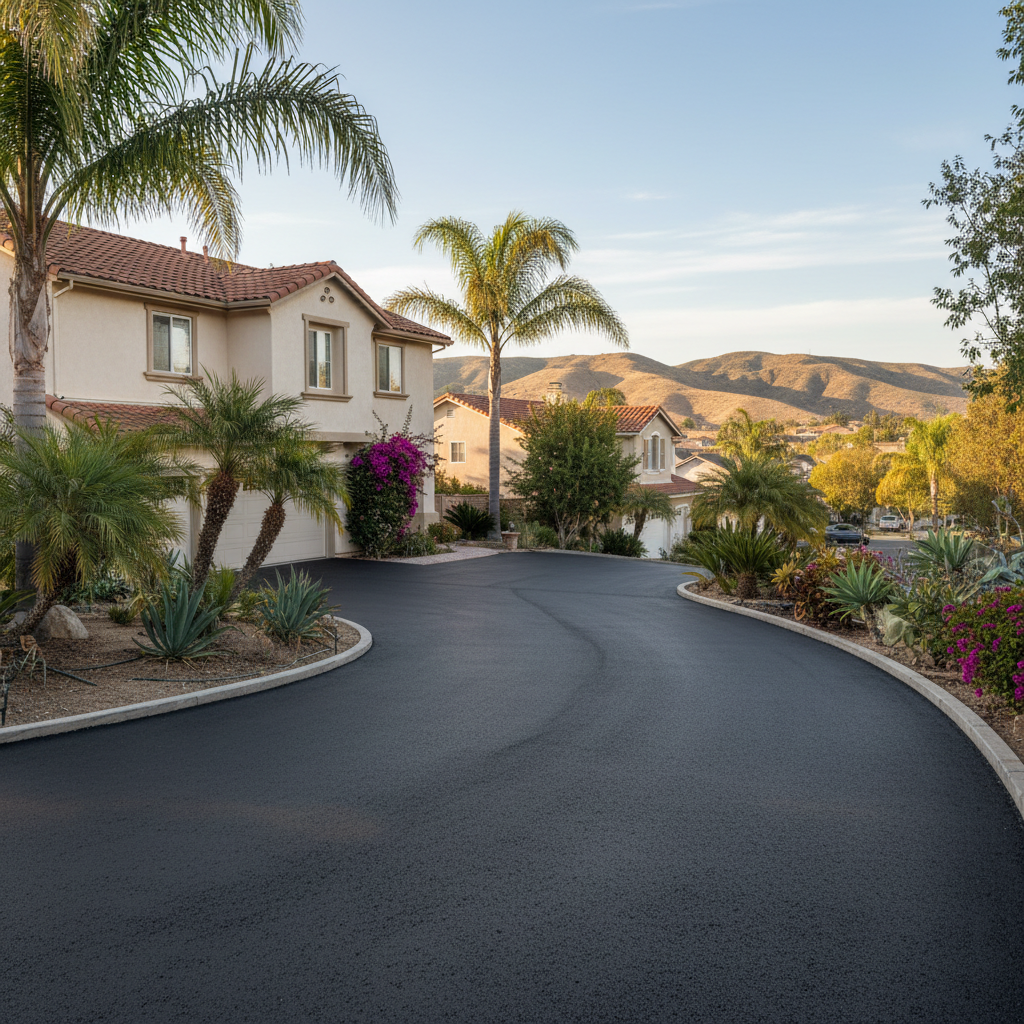
Thinking about a new asphalt driveway or some major repairs for your Irvine home? Great idea. But before you pick up the phone, let's talk about timing. It's not just about when you're ready; it's about when the weather's ready too. Here in Southern California, we've got pretty mild weather compared to other parts of the country, but that doesn't mean every day is a perfect paving day.
When's the Best Time to Pave or Repair Your Driveway?
Honestly, the sweet spot for asphalt work in Irvine is usually spring and fall. Why those times? It comes down to temperature. Asphalt needs a certain range to cure properly. If it's too hot, the material can get sticky and be tough to compact right. If it's too cold, it stiffens up too fast, making it hard to work with and affecting its long-term durability.
We're looking for consistent temperatures, ideally between 50 and 85 degrees Fahrenheit. In Irvine, that often means late March through June, and then again from September through November. These periods give the asphalt enough time to cool and set without extreme heat or cold shocking it.
Weather Conditions That Really Matter
Beyond just temperature, a few other things about our local weather can impact your paving project:
- Rain: This is a big one. You absolutely cannot pave on a wet surface. Asphalt needs to bond directly with the underlying base, and water prevents that. Even a light drizzle can halt a job. We're pretty lucky here in Irvine with our dry summers, but come winter, those El Niño rains can really throw a wrench in things. If rain is in the forecast, we'll reschedule. It's better to wait a few days than to have a driveway that won't last.
- Humidity: While not as critical as rain, very high humidity can slow down the curing process. It's not usually a deal-breaker for us here, but it's something we keep an eye on.
- Wind: Strong winds can cool the asphalt too quickly, making it harder to work with and compact evenly. It can also blow debris onto the fresh surface. Again, not usually a major issue for us, but on a particularly blustery day, we might adjust our plans.
We're always checking the forecast multiple times a day when we've got a job scheduled. We want to make sure we're giving your driveway the best possible start.
Protecting Your Investment Year-Round
Once your new driveway is in, you want it to last, right? Here's how you can protect that investment, no matter the season:
- Sealcoating: This is like sunscreen for your driveway. It protects against UV rays, water penetration, and oil spills. I usually recommend getting it done every 2-3 years, depending on traffic and sun exposure. It's a relatively inexpensive way to extend your driveway's life by years.
- Regular Cleaning: Sweep off dirt, leaves, and debris. Don't let oil or gas spills sit there; clean them up quickly. These chemicals can break down the asphalt binder over time.
- Watch for Cracks: Even small cracks can let water seep underneath, which can cause bigger problems, especially if that water freezes and expands (though freezing is rare in Irvine, water undermining the base is still a concern). Get them filled promptly. It's much cheaper to fill a small crack than to repair a pothole.
- Heavy Loads: Try to avoid parking really heavy vehicles (like RVs or commercial trucks) in the same spot for extended periods. The constant weight can cause depressions or cracking over time, especially in areas with softer soil, like some of the older neighborhoods near the wetlands.
- Edge Protection: If you've got a sprinkler system, make sure it's not constantly spraying the edge of your driveway. Consistent moisture can erode the base material at the edges.
At Coastal Paving, we've been doing this for a long time, and we've seen what works and what doesn't in our local climate. Paving your driveway is a significant investment, and getting the timing right is crucial for its longevity. If you've got questions about your specific project or just want to chat about the best approach for your home, don't hesitate to reach out. We're always happy to share our experience.