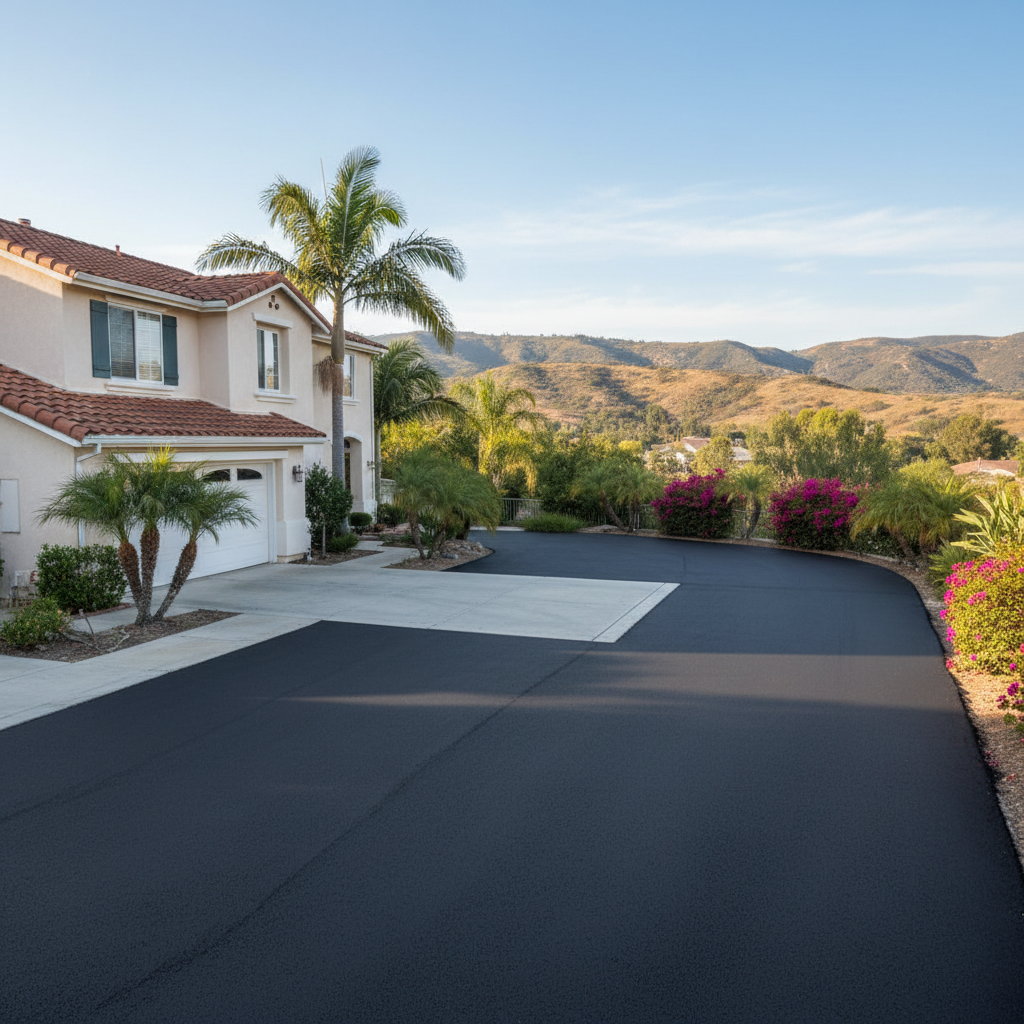
So, your asphalt driveway or patio is looking a little rough, huh? Cracks, potholes, maybe some fading? It happens, especially with our sunny Irvine weather and the occasional heavy rains we get. Don't just pick the first guy you see on a flyer; a good asphalt repair project needs a bit of planning to make sure it goes smoothly and lasts.
Setting Your Project Timeline
Let's talk timing. When's the best time to get this done? Honestly, for asphalt, spring and fall are usually ideal here in Irvine. The temperatures aren't too extreme – not too hot, not too cold. Extreme heat can make the asphalt cure too fast, and cold can make it brittle. That said, we're pretty lucky with our mild climate, so we can often work year-round, but those shoulder seasons are prime.
You'll want to think about your own schedule too. Are you planning a big family gathering? Do you work from home and need access to your garage? Factor in how long your contractor says the work will take, plus a little extra for good measure. For a typical residential driveway repair, you're usually looking at a day or two of actual work, but then there's curing time. You can't drive on fresh asphalt right away, so plan for at least 24-72 hours of restricted access, depending on the specific repair and weather conditions.
What to Expect During the Repair Process
Alright, so you've picked a contractor – hopefully, you'll give Coastal Paving a call! What happens when we show up?
- Assessment & Prep: First, we'll confirm the scope of work. We'll clean the area thoroughly, removing any loose debris, dirt, or vegetation. This is crucial for the new asphalt to bond properly.
- Repairing Cracks & Potholes: For cracks, we'll clean them out and fill them with a hot rubberized sealant. Potholes get cut out, the base is prepped, and then new hot asphalt mix is compacted into place.
- Resurfacing/Overlay: If your asphalt is just worn out but the base is still good, we might recommend an overlay. This involves applying a new layer of asphalt over the existing one. We'll clean, apply a tack coat (it's like glue), and then lay down the new hot mix.
- Compaction: This is where the heavy roller comes in. We'll compact the new asphalt to ensure it's dense and smooth, giving you a durable surface.
- Curing: Once the work is done, it's hands-off for a bit. The asphalt needs to cure. This isn't just about it feeling hard; it's about the material fully setting and strengthening. We'll tell you exactly when you can start using it again.
Expect some noise, some dust, and definitely some fresh asphalt smell. It's all part of the process, and we try to minimize disruption as much as possible.
How to Prepare Your Property
You can help us out a lot before we even get there. Here's a quick checklist:
- Clear the Area: Move your cars, bikes, trash cans, planters, and anything else off the driveway or patio. We need a clear workspace.
- Trim Vegetation: If you have bushes or trees overhanging the work area, give them a trim. This prevents them from getting damaged and gives us better access.
- Mark Sprinklers: This is a big one, especially in neighborhoods like Woodbridge or Turtle Rock where irrigation is everywhere. If you have sprinkler heads near the edge of your asphalt, mark them clearly with flags or paint. We don't want to hit them with our equipment.
- Inform Neighbors: Give your neighbors a heads-up, especially if our equipment might block a shared access point for a few hours. A little courtesy goes a long way.
- Secure Pets & Kids: Keep pets and children away from the work zone. Hot asphalt and heavy machinery aren't a good mix for curious minds or paws.
Questions to Ask Before You Sign
Don't be shy! You're spending your hard-earned money, so ask away. Here are some key questions I'd recommend:
- What's your experience with residential asphalt repair specifically? You want someone who knows the ins and outs of driveways, not just big parking lots.
- Can you provide references from other homeowners in Irvine? Hearing from past clients is always a good sign.
- What kind of materials do you use? Ask about the asphalt mix, sealants, and any other products. Good contractors use quality stuff.
- What's the warranty on your work? A reputable company will stand behind their repairs.
- How do you handle unexpected issues? Sometimes we uncover things once we start digging. How will they communicate those, and what's the process for additional costs?
- Are you licensed and insured? This isn't just a formality; it protects you if something goes wrong. Ask for proof.
- What's the estimated timeline for the project, including curing time? Get a clear understanding of when you'll have full use of your asphalt again.
- What's the payment schedule? When are deposits due, and when is the final payment expected?
Getting your asphalt repaired is an investment in your home. By taking the time to plan and ask the right questions, you'll ensure you get a durable, good-looking result that adds value and curb appeal to your Irvine home.