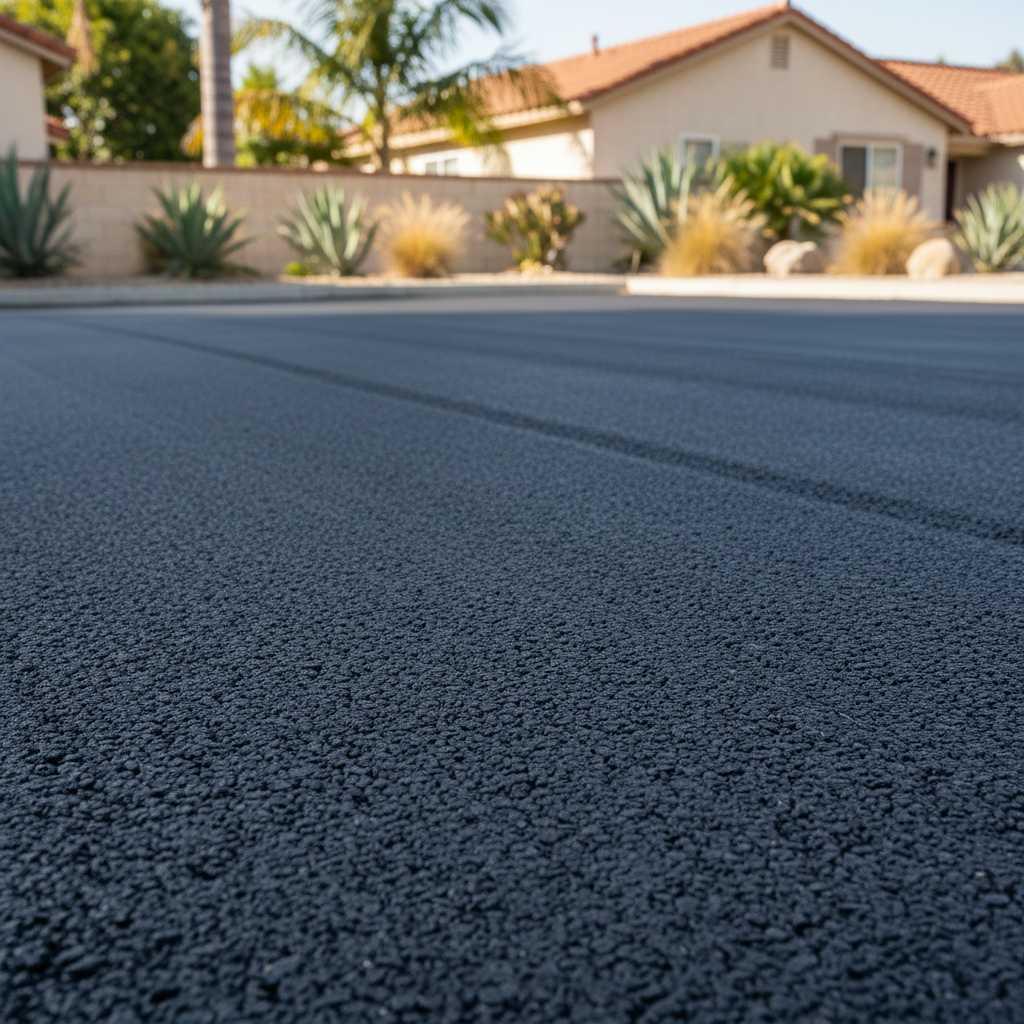
What's the real difference between asphalt and concrete for a parking lot?
This is probably the most common question I get, honestly. Look, both asphalt and concrete have their place, but for parking lots, especially right here in Irvine, asphalt usually wins out for a few key reasons. For one, asphalt's more flexible. We've got pretty stable ground here, sure, but any ground movement, even minor stuff, can crack concrete faster than asphalt ever would. Asphalt handles our temperature swings better too; it expands and contracts without cracking as easily. It's also generally cheaper to install upfront, and repairs are usually simpler and less disruptive. Think about it: if you get a pothole in asphalt, we can just cut it out and patch it. With concrete, you're often looking at removing and replacing entire slabs, which is a much bigger, more expensive job. Concrete does last longer if it's perfectly maintained and installed right, but its rigidity can be a real drawback in a high-traffic area like a parking lot.
How long does a new asphalt parking lot typically last in Irvine?
If it's installed correctly and you keep up with basic maintenance, a new asphalt parking lot in Irvine can easily last you 20 to 30 years. That's a good chunk of time, right? The key is that 'installed correctly' part – proper base preparation, drainage, and compaction are non-negotiable. If we're talking about a parking lot in, say, a community like Woodbridge or University Park, where you might have a lot of resident and guest traffic, you'll want to be on top of sealcoating every few years and addressing any small cracks as they appear. Neglect it, and you'll cut that lifespan in half, easy. It's like anything else; a little preventative care goes a long way.
What factors affect the cost of parking lot paving?
Alright, let's talk money. Pricing isn't a one-size-fits-all deal, and anyone who tells you it is probably isn't being straight with you. Here's what we look at when we're putting together a quote for Coastal Paving:
- Size and Depth: Bigger lot means more material, more labor. Simple as that. The required depth of the asphalt also plays a huge role. A heavy-duty lot for trucks needs a thicker base and asphalt layer than a residential HOA lot, for example.
- Existing Conditions: Are we tearing out old asphalt or concrete? Is there a good, stable sub-base already there, or do we need to do significant grading and base work? This can really add to the cost.
- Drainage: Poor drainage is the enemy of asphalt. If your lot ponds water, we'll need to address that with grading or drains. It's an additional cost, yes, but absolutely necessary for longevity.
- Accessibility: Can our equipment easily get in and out? Tight spaces or complicated logistics can increase labor time, which makes sense.
- Permits and Regulations: Irvine has its own set of rules. Depending on the scope, you might need permits, and those come with fees and sometimes specific requirements we have to meet.
- Asphalt Pricing: The cost of petroleum-based products fluctuates, and asphalt is no exception. We get the best rates we can, but it's a moving target, always.
The best way to get an accurate number is to have us come out and take a look. We'll give you a detailed, no-obligation estimate.
How long does the paving process take, and can we still use the lot during that time?
The timeline really depends on the size of the lot and the scope of work involved. For a typical HOA parking lot, say for a few dozen spaces, if we're just doing an overlay, we might be looking at a couple of days. If it's a full tear-out and replacement, it could be a week or more. The biggest factor is usually the curing time. Once we lay down the hot asphalt, it needs time to cool and harden before it can handle vehicle traffic without getting damaged. Generally, you're looking at 24-48 hours before you can drive on it, and sometimes longer for heavy vehicles. We always try to minimize disruption, often working in sections or scheduling around off-peak hours, but for the actual paving part, you won't be able to use that section of the lot. We'll work with you to plan out phases and communicate clearly so residents know what to expect.
What kind of maintenance does an asphalt parking lot need?
This is where you get your money's worth out of your investment. It's not a 'set it and forget it' kind of deal, not really. Here's the rundown:
- Sealcoating: This is your asphalt's sunscreen and raincoat, plain and simple. It protects against UV rays, water penetration, and chemicals like oil and gas. I recommend doing this every 2-4 years, depending on traffic and how harsh the sun's been.
- Crack Sealing: As soon as you see cracks, get 'em sealed. Water is asphalt's worst enemy. It gets into those cracks, freezes (not often here in Irvine, but it happens sometimes on winter mornings), expands, and then when cars drive over it, it breaks down the sub-base. Seal those cracks, and you stop that process dead.
- Pothole Repair: Don't let potholes grow. They start small, but with traffic and water, they'll become craters fast. Patch them quickly to prevent further damage.
- Drainage Checks: Make sure your drains aren't clogged and water is flowing off the lot as it should. Standing water will degrade asphalt quickly.
- Sweeping: Regular sweeping removes debris that can hold moisture or cause wear.
Staying on top of these things will dramatically extend the life of your parking lot and save you a ton of money in major repairs down the road.
When's the best time of year to pave a parking lot in Irvine?
Honestly, we're pretty lucky here in Irvine; we have a long paving season. But if I had to pick the absolute best time, I'd say late spring through early fall. You want consistent warm, dry weather. Asphalt needs to be laid on a dry sub-base, and it needs warm temperatures to cure properly. Our summers are usually perfect for this – warm days, low humidity, and very little rain. Winter paving isn't impossible, but it can be trickier. If we get a cold snap or a series of rainy days, it can delay the project or affect the quality of the cure. We've certainly done jobs in the winter, but if you have the flexibility, aiming for those warmer, drier months is always preferable for optimal results.
Why should I choose a local contractor like Coastal Paving?
You've got options, I know. But choosing a local outfit like us means you're getting someone who understands the specific conditions right here in Irvine. We're not just some out-of-town crew who flies in and out. We know the soil types, the local weather patterns, and what the city inspectors are looking for. We've built our reputation on doing quality work for our neighbors. If you have a problem, we're right here. You're supporting a local business, and you're getting a team that's invested in the community and stands behind their work. We're not going anywhere, and neither is your parking lot if we do it right.