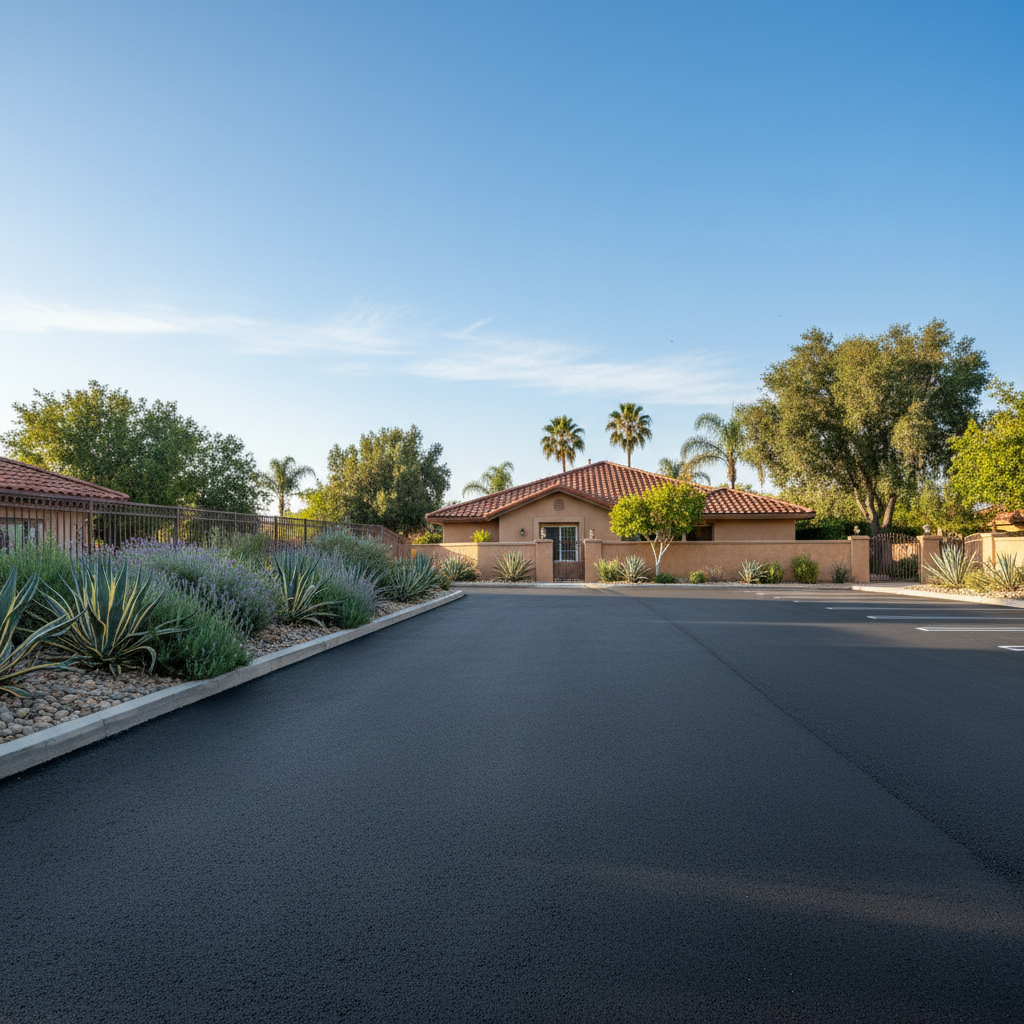
Your Parking Lot's Lifespan: It's All About the Upkeep
Look, a parking lot isn't just some slab of asphalt. It's the very first thing customers see, a big part of your property's curb appeal, and frankly, it can be a real safety problem if you let it go. Here in Irvine, with our intense sun and those occasional heavy downpours, your asphalt really takes a beating. You've just got to be proactive if you want to get the most out of your investment. A well-maintained lot can easily last 30-40 years, but neglect it? You'll be looking at a full replacement in 10-15. That's a huge difference, and it all comes down to how you treat it. What a shame to waste that investment.
Regular Maintenance: Your Best Defense
Think of it this way: you wouldn't skip oil changes on your car, right? It's the same deal for your parking lot. Regular maintenance isn't just about how it looks; it's about protecting the pavement's structural integrity. Even the City of Irvine itself has a solid pavement maintenance program for its roads and parking lots, and you should too.
Sweeping and Cleaning
This might sound super basic, but it's vital. Dirt, debris, and especially oil or chemical spills can break down the asphalt binder over time. Get that junk off your lot regularly. Pressure washing can really help, especially in the spring, to get rid of all that built-up grime.
Crack Sealing
This is probably the most important thing you can do. Small cracks are like tiny open wounds on your pavement. Water gets in there, and that's when the real damage starts. Here in Southern California, we don't get a ton of freeze-thaw cycles like folks up north, but water still erodes the base right beneath your asphalt. You should check your lot for cracks at least once a year, ideally in the spring after any winter rains. If you spot cracks, seal 'em up fast. We're talking hot-pour rubberized sealant that fills those gaps and keeps water out. Doing this before our November-to-March rainy season is just plain smart. For high-traffic areas, you might need crack sealing every 1-2 years; moderate traffic can go 2-3 years.
Sealcoating
Our California sun is no joke. UV rays dry out asphalt, making it brittle and causing it to fade from black to gray. That gray color means the binder is dying, you know? Sealcoating puts a fresh, protective layer over your asphalt, shielding it from UV, water, and chemicals. It'll keep your lot looking sharp and significantly extend its life. For new asphalt, wait about 6-12 months for it to cure before that first sealcoat. After that, most commercial lots in our climate need sealcoating every 2-3 years. High-traffic retail spots might need it annually, while lower-traffic areas could stretch to 3-5 years.
Drainage Management
Water is asphalt's arch-enemy. Poor drainage leads to pooling, which just speeds up cracking and potholes. Make sure your drains are clear and that water flows off your lot efficiently. This is especially important in areas like the Woodbridge Village Association, where you see a lot of mature landscaping and sometimes irrigation systems can cause leaks that undermine pavement. Irrigation leaks, by the way, are a common cause of asphalt failure on commercial properties.
Warning Signs: Don't Ignore These Red Flags
Your parking lot will tell you when it needs help. You just need to know what to look for.
- Cracks: We already talked about them, but any crack, big or small, is a sign. Alligator cracking (lots of interconnected cracks that look like alligator skin) means the base is failing, and you're in for a bigger repair.
- Potholes: These are obvious hazards. They damage vehicles and are a tripping risk for pedestrians. Fill them quickly.
- Fading and Discoloration: If your black asphalt is turning gray, that's oxidation happening. It means the sun is breaking down the binder, and your pavement is losing its flexibility.
- Pooling Water: After it rains, if you have puddles that stick around, your drainage isn't working right or you have depressions forming. This will lead to accelerated deterioration.
- Raveling: This is when the aggregate (the small stones) starts coming loose from the surface. It means the binder is failing, and your pavement is breaking apart.
- Faded Striping: Beyond just looking bad, faded parking lines and ADA markings are a safety and compliance issue.
When to Call a Professional
You can handle some basic cleanup, sure, but for anything beyond that, you need a pro. Here's when to pick up the phone:
- Any significant cracking or potholes: These need proper repair to prevent them from getting worse.
- Before sealcoating: Surface prep is key for a good sealcoat. We'll clean, repair cracks, and make sure the surface is ready so the sealcoat bonds right and lasts.
- Regular inspections: Have us do a professional inspection at least once a year. We'll catch things you might miss and give you a prioritized plan. Spring is a great time for this, after the winter rains.
- Drainage issues: If water isn't draining correctly, that's a job for an expert to assess and fix.
- When you're considering a larger project: If you're seeing widespread damage, significant rutting, or your lot is over 15 years old and really showing its age, it might be time for an overlay or even a full repave. We can help you figure out the most cost-effective solution.
The climate here in Irvine, with our hot, dry summers and mild, wet winters, means asphalt maintenance is a year-round consideration. The constant UV exposure and the expansion and contraction from temperature swings really stress the pavement. That's why being on top of maintenance is so important. Don't wait until a small problem becomes a huge, expensive headache. At Coastal Paving, we're here to help you keep your parking lot in top shape for years to come.